



 Flickr
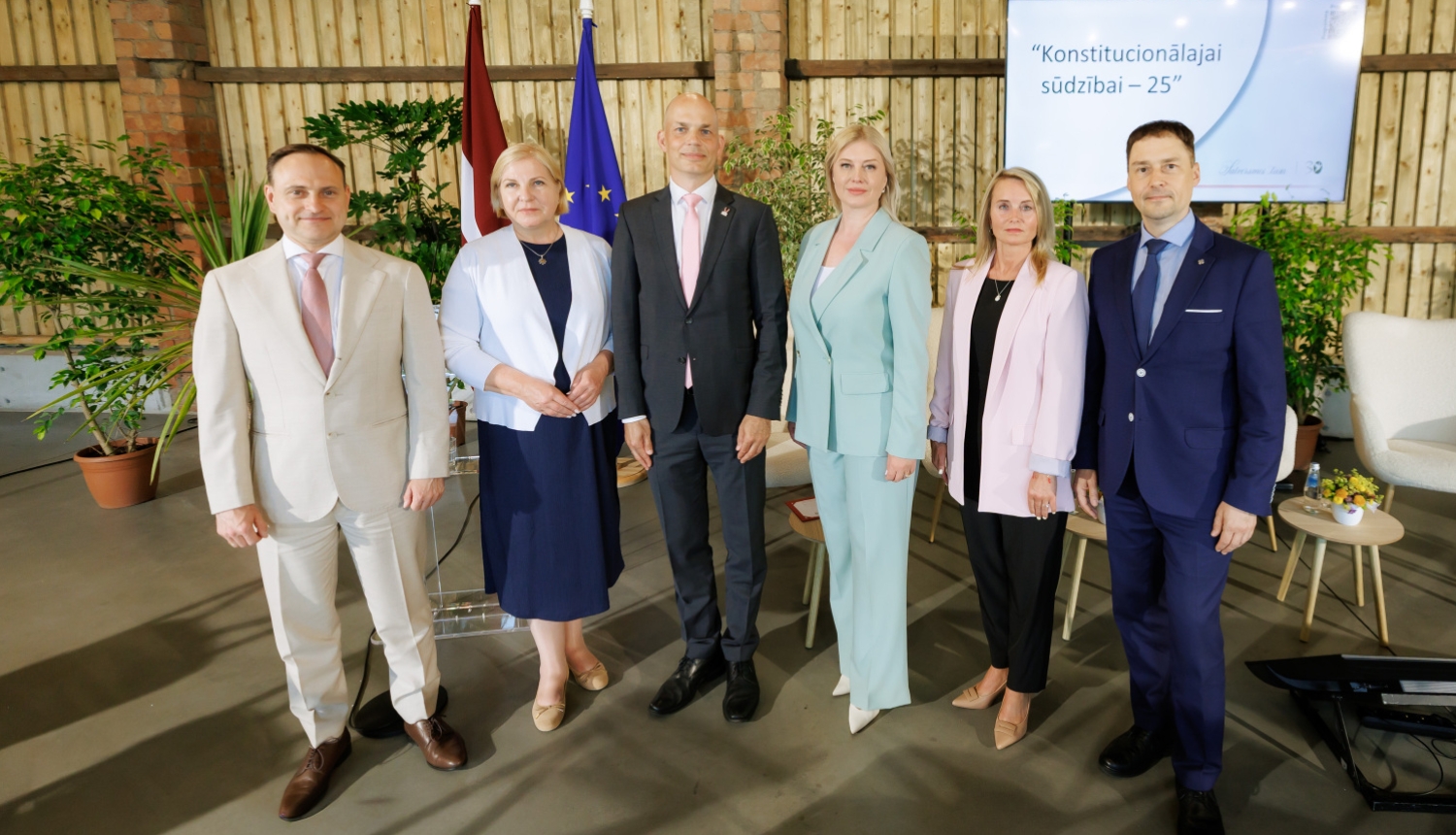
Today, on 1 July, the Constitutional Court organised the event “25 Years of the Constitutional Complaint” at the Botanical Garden of the University of Latvia to mark the 25th anniversary of the institution of the constitutional complaint in Latvia. At the event, lawyers, journalists, representatives of academia, and judges of the Constitutional Court reflected on the significance of constitutional complaints in the protection of human rights.
Irēna Kucina, President of the Constitutional Court of Latvia, emphasised: “The introduction of the constitutional complaint marked one of the most significant turning points in Latvia’s legal system. A quarter of a century later, it has become one of the most effective instruments for protecting fundamental rights.”
Over the past 25 years, constitutional complaints have become the most common type of application submitted to the Constitutional Court and the most frequent basis for initiating proceedings. On the basis of constitutional complaints, the Constitutional Court has examined 337 cases, delivering 255 judgments and 82 decisions on discontinuation of proceedings. In 140 cases, or 42 per cent of the total, at least one of the contested provisions was found to be inconsistent with the Constitution.
Cases initiated on the basis of constitutional complaints have made a significant contribution to human rights protection across various fields, including social rights, family protection, the protection of human dignity and the environment, matters of national security, while also reinforcing the independence of the judiciary and the fundamental principles of a democratic state. They demonstrate that an application submitted to the Constitutional Court by an individual, a company, or an association can lead to changes of significance for society as a whole.
Participants at the event shared their experiences and views on the role of constitutional complaints in protecting human rights. Latvian Television journalist Gundars Rēders emphasised the importance of hearing every person’s story, investigative journalist Inga Spriņģe spoke about the role of reliable information and critical thinking in the protection of human rights, whilst lawyer and certified mediator Baiba Zāmuele shared her experience of seeking the protection of her rights at the Constitutional Court through a constitutional complaint. Lauris Liepa, a lecturer at the Faculty of Law of the University of Latvia, explained the importance of the legal basis when applying to the Constitutional Court.
At the conclusion of the discussion, the judges of the Constitutional Court analysed the impact of constitutional complaints on the development of Latvia’s legal system over the past 25 years, their contribution to strengthening human rights protection, and their role in promoting public awareness of the values enshrined in the Constitution. The judges also emphasised the importance of constitutional complaints in ensuring the effective protection of fundamental rights in Latvia and their role within the European human rights protection system.